The best way to sell your phone comes down to what you care about most: the biggest number, the least hassle, or cash in your hand today. If your carrier is running a trade-in promotion that beats every other option, take it. If you have the time and patience and want the highest possible payout, selling it yourself on Swappa, eBay, or Facebook Marketplace usually pays the most, as long as you are ready for the fees and the risk. If you want a fair price paid as real cash without listings, shipping gambles, or scam buyers, a buyback service like Techtree is the convenient middle ground. And while a phone is the easiest example, the same three choices apply to almost any device you are selling, from tablets and laptops to smartwatches, game consoles, and more. Here is how to decide between the three.
At a glance (Techtree, September 23, 2026):
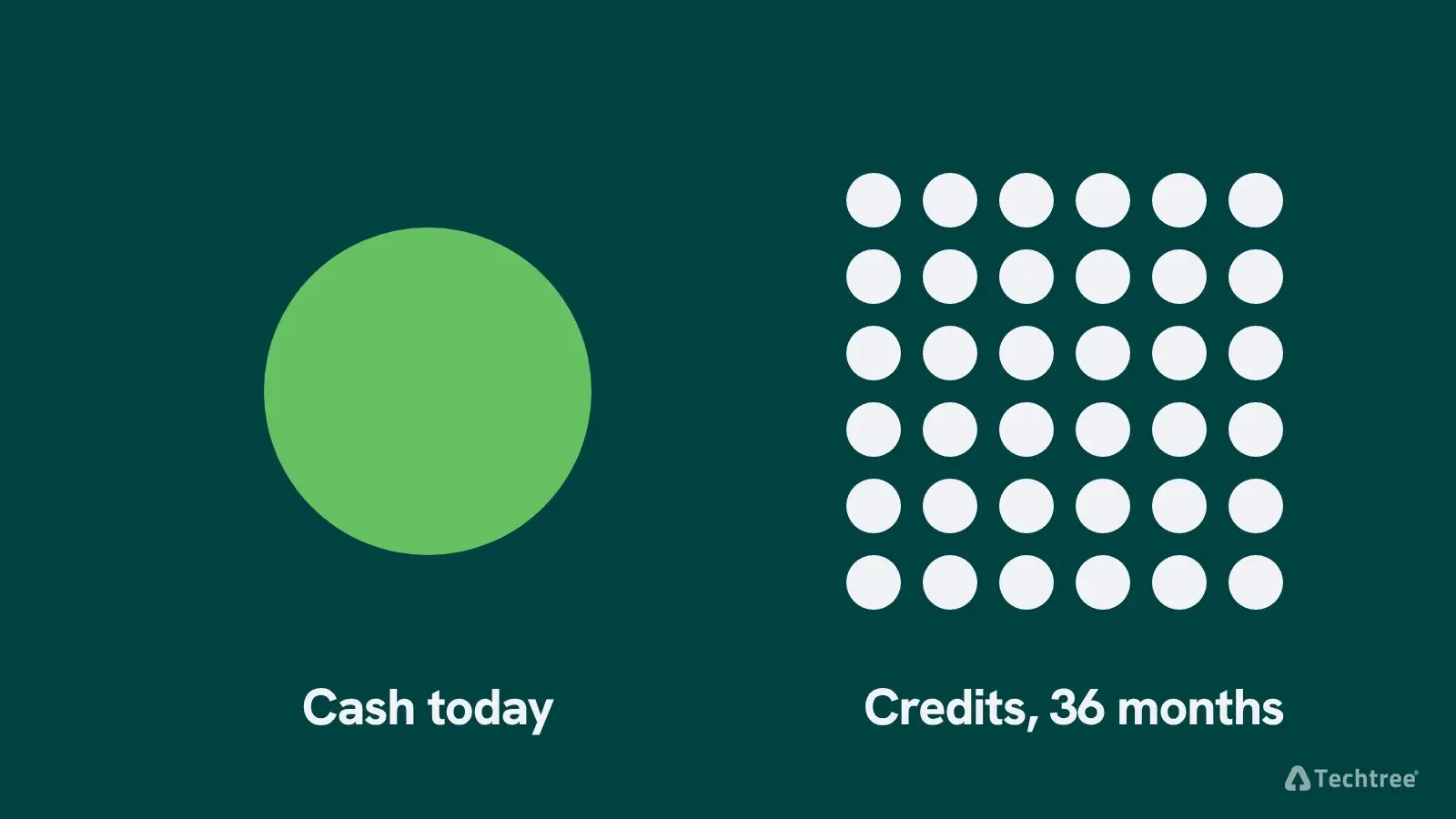
- A carrier trade-in pays bill credits spread over 24 to 36 months, usually tied to a new line or plan, not cash.
- Selling it yourself usually pays the most, in exchange for platform fees, your time and the risk of a scam buyer.
- Techtree, a mail-in buyback service, pays cash by Zelle, Cash App, Venmo or PayPal, 1 to 2 business days after inspection, with a free prepaid shipping label and a quote locked for 21 days.
- Techtree also buys phones that are carrier-locked (paid off) or cracked, as they are, with no unlock or repair needed first.
Option 1: Carrier trade-in
Carriers advertise the biggest headline numbers in the business. Promotions of "up to $800 to $1,100 off" a new phone are common at Verizon, T-Mobile, and AT&T, and for the right customer that value is very real.

There are two things to understand before you count on it:
- You get bill credits, not cash. That value is almost always paid back to you as monthly bill credits spread over 24 to 36 months, not a lump sum and not a cash payout. Carriers do not send money through Zelle, Cash App, or Venmo. It is always a discount applied against a new device or your monthly bill.
- It comes with strings. These deals typically require a qualifying plan, often a new line, and a device installment agreement. If you cancel the line or it goes inactive before the credits finish, the remaining credits usually stop, so you forfeit the rest of the "trade-in value."
When it is a no-brainer: you are already buying a new phone from that carrier, you plan to stay with them for the next two to three years, and the trade credit genuinely beats what you could net anywhere else. In that case, the promotion is often the single best deal available and you should take it.
When to be careful: the "up to" figure is the maximum, usually reserved for the newest models in good condition. Always check what your specific phone actually qualifies for, and compare it against a cash offer before you commit.
Option 2: Sell it yourself
Selling privately gets you closest to the true market value of your phone, which means the highest potential payout of any option. That upside is real. So are the costs and the risks.

The fees, by platform
Every marketplace takes a cut. Current seller fees look like this:
- Facebook Marketplace: free for local, in-person cash pickup. If you ship through Marketplace checkout, Meta charges 10 percent of the whole transaction, including shipping and tax, with a $0.80 minimum.
- eBay: phones fall under eBay's standard rate: a 13.6 percent final value fee on the total amount of the sale, plus $0.40 per order over $10.
- Swappa: 3 percent of the sold price to Swappa, plus payment processing: 3.49 percent plus $0.49 through PayPal, or 2.9 percent plus $0.30 through Stripe. That works out to roughly 6 to 7 percent in total.
So depending on the platform, plan to lose somewhere between about 6 and 14 percent of your sale price to fees, unless you sell locally for cash.
Doing it right
If you go this route, a clean listing sells faster and safer:
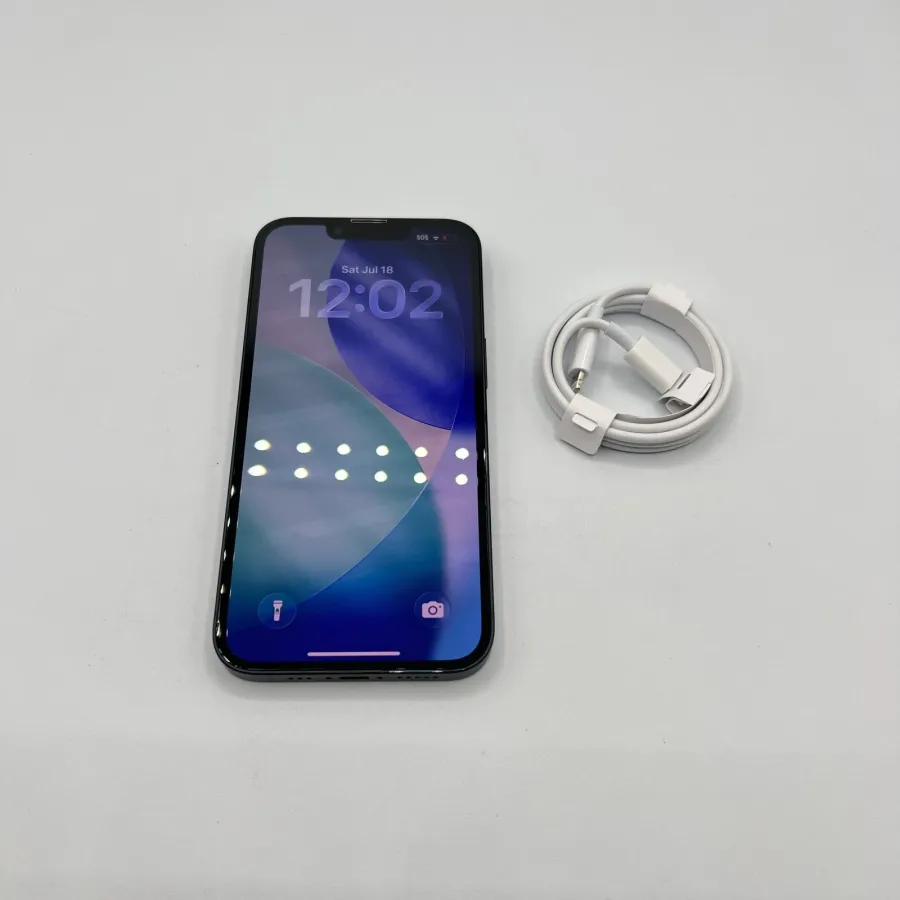
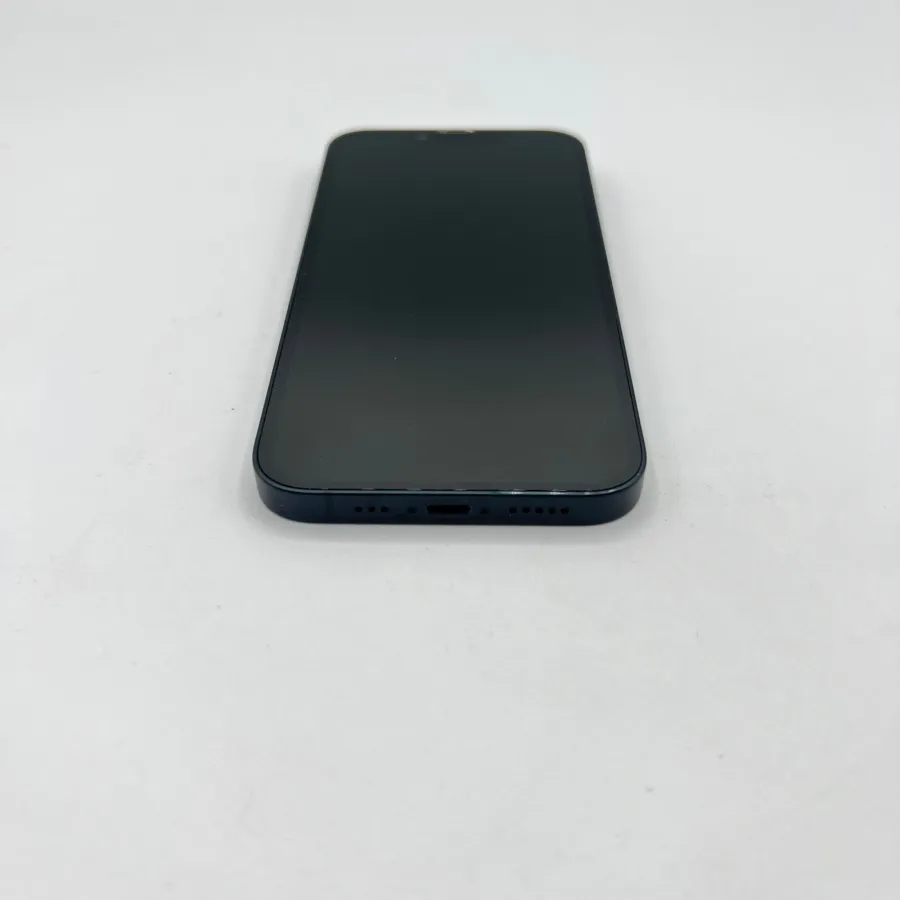
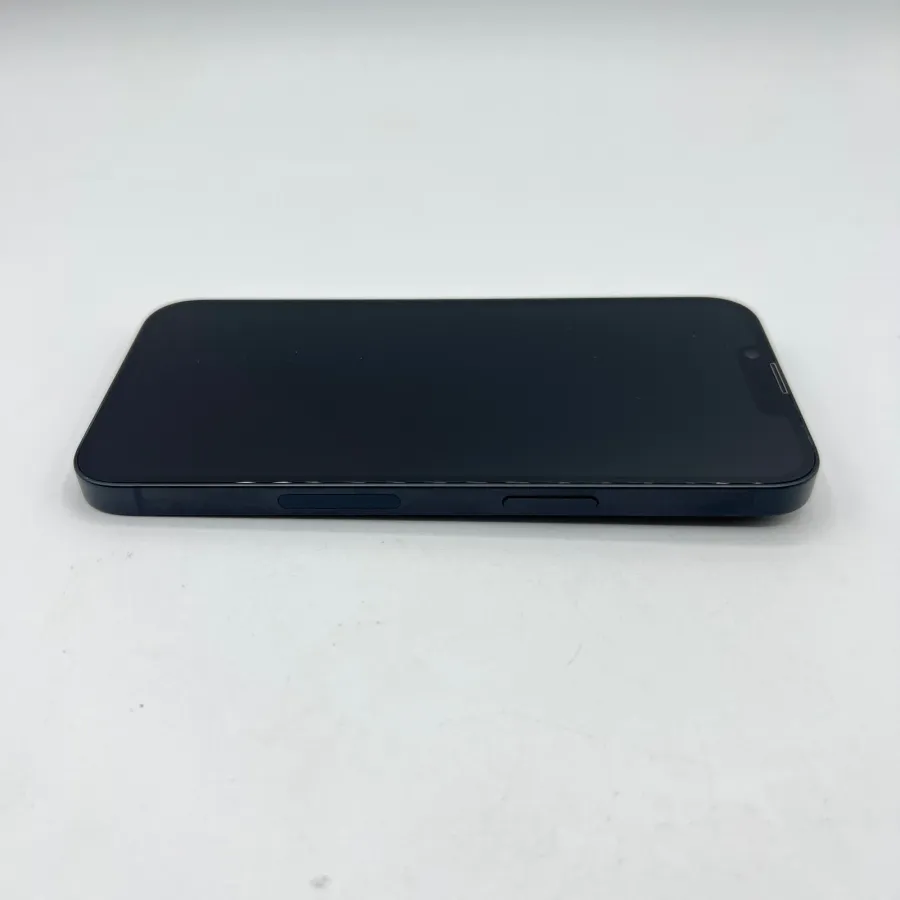
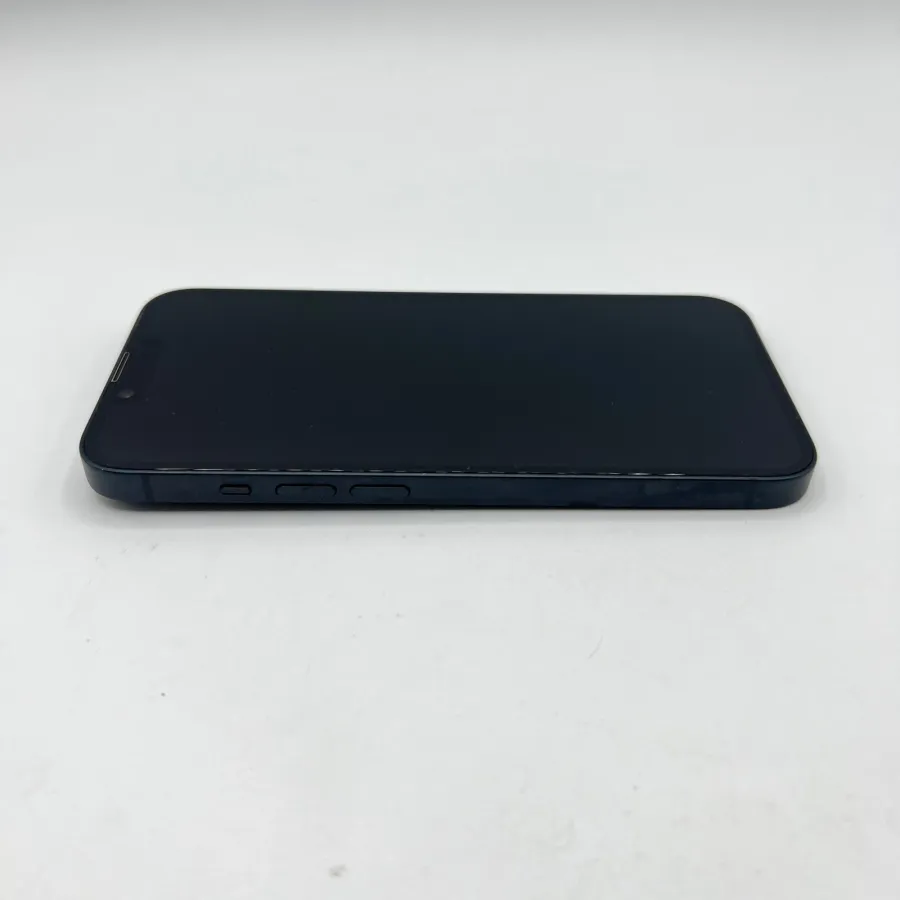
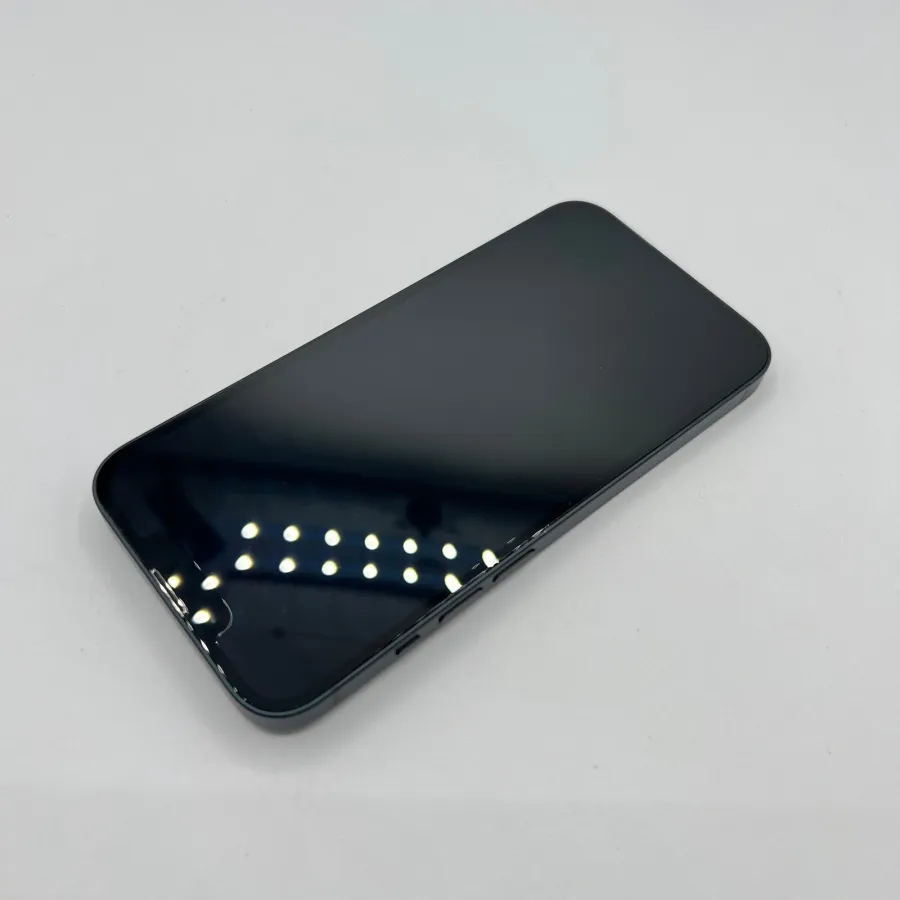
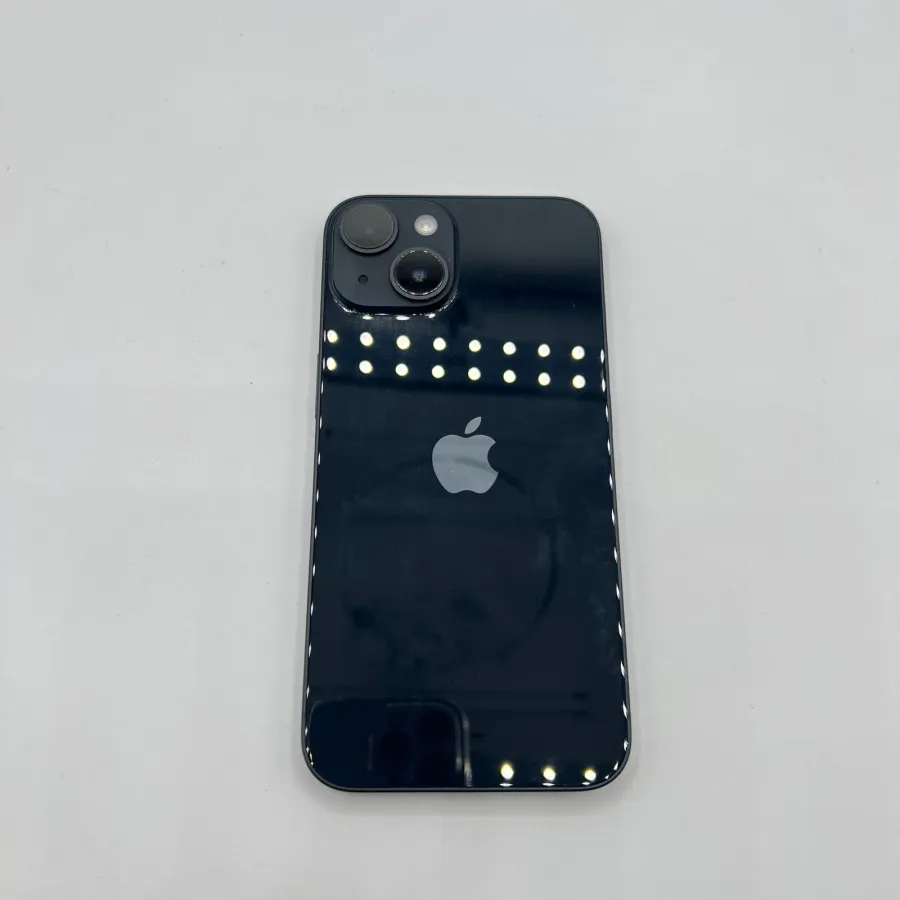
- Photos: take clear, well-lit pictures of the actual device from every angle, including any wear. Honest photos cut down on disputes.
- Listing details: state the exact model, storage, carrier or unlocked status, battery health, and condition. Specifics build buyer trust and reduce "not as described" claims. If you are unsure about the lock status, our guide to selling a locked phone explains how to check it and which restrictions to clear first.
- Record the IMEI or serial number before you ship, and photograph it. This proves you sent that exact device, which is your best defense against swap scams. You can find the IMEI in Settings, or by dialing star-pound-06-pound. Then run it through a lookup service like iFreeiCloud, IMEICheck, or Sickw to verify the IMEI and serial, and save that report as a dated record of exactly what you sold.
Here is an example of a clean set of listing photos. Swipe through to see the angles worth capturing:
The risks people forget
This is where selling yourself can quietly go wrong:
- Returns and disputes. A buyer can open an "item not as described" case and force a return, sometimes unfairly.
- Scam buyers. Empty-box and device-swap scams (the buyer returns a different, broken, or counterfeit phone) and fraudulent chargebacks are well documented, and newer sellers get targeted the most.
- Lost in transit. Shipping carriers include only the first $100 of coverage by default. Added insurance runs roughly 1 to 2 percent of the declared value. Skip it, and if the package is lost you are out both the phone and the money.
In a bad case, a fraudulent return or a lost package can leave you worse off than if you had simply traded the phone in. This is rare, but it is not completely avoidable, and it is the trade-off you accept for the higher payout.
Option 3: A buyback service like Techtree
A buyback service is the convenient lane. It is built for people who do not want the hassle of listing and shipping, do not have a great carrier deal, or simply want actual cash instead of store credit.
And it is not just for phones. Techtree buys phones, tablets, laptops, desktops, smartwatches, game consoles, headphones and earbuds, and VR headsets, so the same simple path works for almost anything you have to sell.
Here is what that looks like with Techtree:
- Cash, your way. Get paid by Zelle, Cash App, Venmo, or PayPal. Not bill credits, not store credit, real money.
- Or trade-in credit toward an upgrade. Prefer to roll your value into another phone, the way a carrier deal works? You can apply your trade-in as credit toward a pre-owned device instead of taking cash. The difference from a carrier is that it goes toward a discounted pre-owned phone rather than a full-price new one, so you get more for your old device and a better deal on the next one.
- Free shipping, with expedited 2-day service so you are not waiting on the payout.
- Shipping protection. We offer insurance coverage on your shipment, so if the device is lost in transit it is still covered. That is the exact gap that can leave a private seller out both the phone and the payment.
- Transparent grading, so you can see exactly how your offer was assessed.
- Free returns for most devices if you decline a revised offer. Your device comes back at no cost, no pressure; the few exceptions, such as a device that arrives still account-locked or financed, are in our terms.
- A locked quote, so the number you accept is the number that holds while your device is on the way.
You trade a little of the potential upside from selling privately in exchange for speed, certainty, and zero scam risk. For a lot of people, that is the right deal. When you are ready, you can get an instant quote in under a minute.
How do you know an offer is real?
Whichever route you choose, judge an offer by what you will actually be paid, not by the headline. The highest quote is not always the real one. A documented pattern in this industry is bait and switch, where a company advertises a very high online quote, then drops the offer sharply after "inspection." That top number can evaporate once your phone is in their hands.
Four things to check before you accept any offer:
- Is the quote locked, and for how long? A price that can change while your device is in the mail is not a price. Techtree locks every quote for 21 days.
- Are the grading rules published? You should be able to read exactly what "Good" or "Fair" means before you ship. Ours are on our grading page.
- What happens if the grade changes? A fair buyer sends a revised offer you can decline, and returns the device if you do.
- How and when are you paid? Cash by Zelle, Cash App, Venmo or PayPal within a couple of business days beats a check in a few weeks or store credit.
That is exactly why we focus on honest, transparent pricing with a locked quote. Techtree may not always be the single highest number you see, but the number you see is the number you get, and that reliability is worth more than a headline offer you never actually receive.
Quick decision guide
- Take the carrier deal if: you are buying a new phone from that carrier, you plan to stay two to three years, and the trade credit beats every other option. Just remember it is bill credits, not cash.
- Sell it yourself if: you want the maximum payout, you have the time to list and ship, and you are comfortable with the fees and the small chance of a bad buyer.
- Use a buyback like Techtree if: you want a fair price paid as real cash, fast, with free shipping and no scam risk to worry about.
There is no single right answer, only the right answer for your situation. If convenience and a guaranteed cash payout sound good, see what your device is worth and get a locked quote today.
Frequently asked questions
What is the best way to sell my phone? It depends on what matters most. A carrier promotion wins if you are staying with that carrier and buying from them, selling it yourself pays the most if you have the time, and a buyback service like Techtree pays fair cash fast with no listings or scam risk.
Do carrier trade-ins pay cash? No. Carrier trade-in value is paid as bill credits, usually spread over 24 to 36 months, and it is tied to a plan, often a new line.
What happens to carrier trade-in credits if I cancel? If you cancel the line or it goes inactive before the credits finish, the remaining credits usually stop.
Is selling to a buyback service safer than selling online? Yes, for most people. There is no buyer to vet and no chance of a payment scam, and with Techtree the quote is locked for 21 days while your device ships.
How does Techtree pay? By Zelle, Cash App, Venmo or PayPal, 1 to 2 business days after your device is inspected.
Can I sell a carrier-locked phone? Yes, if it is paid off. Techtree buys carrier-locked phones as they are; see our guides to selling a locked phone and selling an AT&T-locked phone.
Can I sell a phone with a cracked screen? Yes. A cracked screen with a working display is Techtree's Minor Damage grade; see what a cracked phone is worth.
Sources
- Selling fees, eBay Help
- Fees, Swappa
- Marketplace Seller Protection Policy (seller fees), Meta
Marketplace fees verified against the linked pages on September 23, 2026. Fees change; the platform's own page is the authority.